

How is Fitness Training Related to “Knowledge Building by Design”?
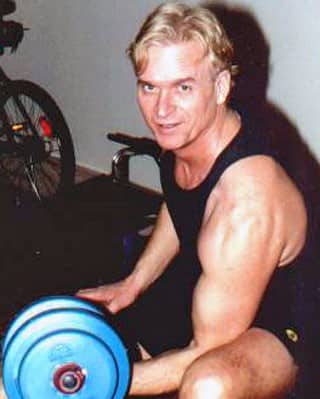
As the title suggests, neither fitness training nor knowledge building happen by accident. For either endeavor to succeed, a plan must be designed. Those who design those plans–whether they be fitness trainers or learning designers – must first undergo their own training programs before they can correctly train or teach others. And that is precisely why fitness training was chosen as the overarching metaphor for this ePortfolio about preparing and training for both the University of British Columbia (UBC) degree and real-time professional practice.
For more information, tap or click on the audio player below.
Metaphor Rationale for the ETEC 590 ePortfolio


What is the Purpose of this ePortfolio?
Except for some necessary personal background information and the domain name, this site is definitely not all about me. A quick browse through the Key Competencies will reveal that this web space is actually more about what most educators and students would agree is crucial to our future in education: the need to design and implement effective,  globally affordable e-learning environments for learners of all backgrounds and abilities. Although I am already increasing my contribution to this ongoing global initiative, there needs to be unambiguous evidence that I am qualified to do even more. The artifacts and reflections posted here provide plenty of such evidence–and they fulfill the requirements of the final “capstone research project” for both Category 6 of the BC Teacher Qualification Services and the Master of Educational Technology (MET) degree that I have earned at The University of British Columbia (UBC).
Moreover, as noted in many of the artifacts, much of my critical thinking, research, and practical MET work is closely linked with my professional practice. I am fortunate to be employed at one of Korea’s top universities that not only attracts the best students, but also provides motivation and support to faculty members who wish to pursue graduate school or research work. Since commencing the UBC MET program, the healthy autonomy provided at Hanyang University (HYU) has allowed me to implement many instructional design and pedagogical approaches that I learned at UBC. In addition to redesigning most of my classes into blended (hybrid) courses, I developed a new multimedia writing and blogging course that draws heavily on social 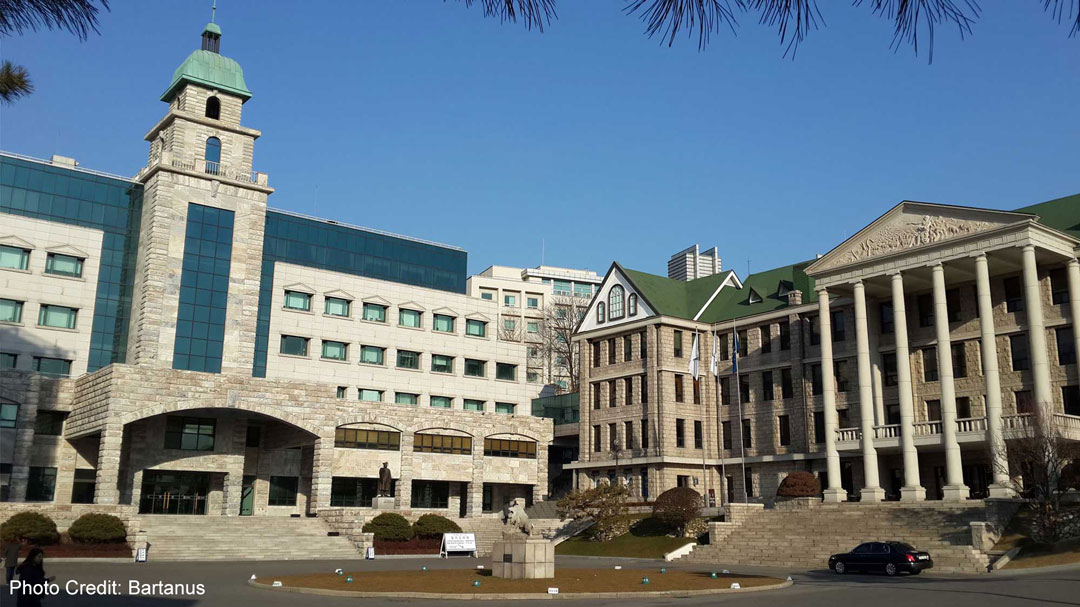 constructivist principles and encourages students to participate in an active learning community in which they collaborate, build knowledge together and create meaningful artifacts–most of them for the first time in their lives.
While this is personally rewarding, the greatest value of this process resides in the positive impact that it has had on the lifelong learning paths of those HYU students who have been exposed to the continually evolving research-based pedagogical practices that have emerged from it. Therefore, the main purpose of this eP is to present unequivocal evidence of how social constructivism can enable educators and students to form mutually beneficial partnerships in communities of learning and practice.
Who is the Target Audience?
The target audience is, first and foremost, UBC instructors Franc Feng, Ph.D. and Alex F. de Cosson, Ph.D. as well as my esteemed MET Community peers. With their insightful feedback and my ongoing reflection and growth, this ePortfolio has evolved into a scholarly research document and will continue to develop into an Open Educational Resource (OER) that will inform a wider audience of educational peers, prospective collaborators, partners, and employers for years to come.
The reason this site exists is simple: technology has evolved and so has education. That’s what this site is about. It includes numerous examples of e-learning practices that engage learners both cognitively and socially. It also deals with some of the challenges that need to be overcome so modern and effective social-constructivist pedagogies can be implemented and learners can be enabled to build knowledge by design (rather than transfer memorized data from lecturers to test papers).
Getting Back to that Metaphor
Modern research has debunked the old “no pain, no gain” motto of outdated exercise routines and today’s best educated fitness trainers are employing methodologies that are better researched, much safer, and significantly more effective than trainers were using 50 years ago. As a result, their trainees–from Olympic athletes to everyday folks–are achieving greater success than ever before. One might say that, in fitness training, we are benefitting from an ongoing, evolutionary, and irreversible paradigm shift.
One might also say the same thing about education.
Real Life Examples of Linking Theory to Practice:
The following blurbs will connect you to current examples of linking theory to practice.
More About Gary
additional information about Gary’s background & current practice
Reflections on HYU Practice
ongoing initiatives to support learners and faculty at Hanyang University
Overview of Current Sites
e-learning spaces that Gary currently uses in professional practice
Links to Old Spaces
discontinued spaces that trace Gary’s online footprint back to 2001
Tap or click to view image attributions for this Home Page
Image Attributions
Tap or click to view image attributions for the slider at the top of this Home Page
Image Attributions
Tap or click to view image attributions for the Landing Page.
Image Attributions